 Leork Hotels
12 August 2026
Leork Hotels If you are coming to Al-Shifa Trust Eye Hospital in Rawalpindi for surgery or a consultation, LEORK Hotels is about 2 km away on the same stretch of GT Road, a 5 to 10 minute drive. That matters for eye patients in particular. After surgery you cannot drive, your vision may be blurred for a day or two, and many surgeons want to see you again the next morning. Being close to the hospital makes all of that much easier.
Al-Shifa draws patients from every corner of Pakistan, and from Azad Kashmir and Gilgit-Baltistan too, so a large share of the families in its waiting halls have travelled for hours to get there. This guide is for them: what to expect at the hospital, how the days around surgery usually go, and how to set up a stay that keeps the patient rested.
Al-Shifa Trust was founded in 1985 by the late Lt. Gen. (R) Jahandad Khan as a charitable eye care trust, and the Rawalpindi hospital opened in 1991. It is now one of the largest eye hospitals in the region:
Alongside the free and subsidised service, there is a paid private OPD in the afternoons, which many out-of-town patients use because it is quicker to schedule. You can book through the hospital’s website, its patient appointment app on Google Play, or by phone on (051) 5487821-5 (appointments on extension 263). OPD hours differ between general and private clinics and have changed in the past, so call to confirm before you travel.
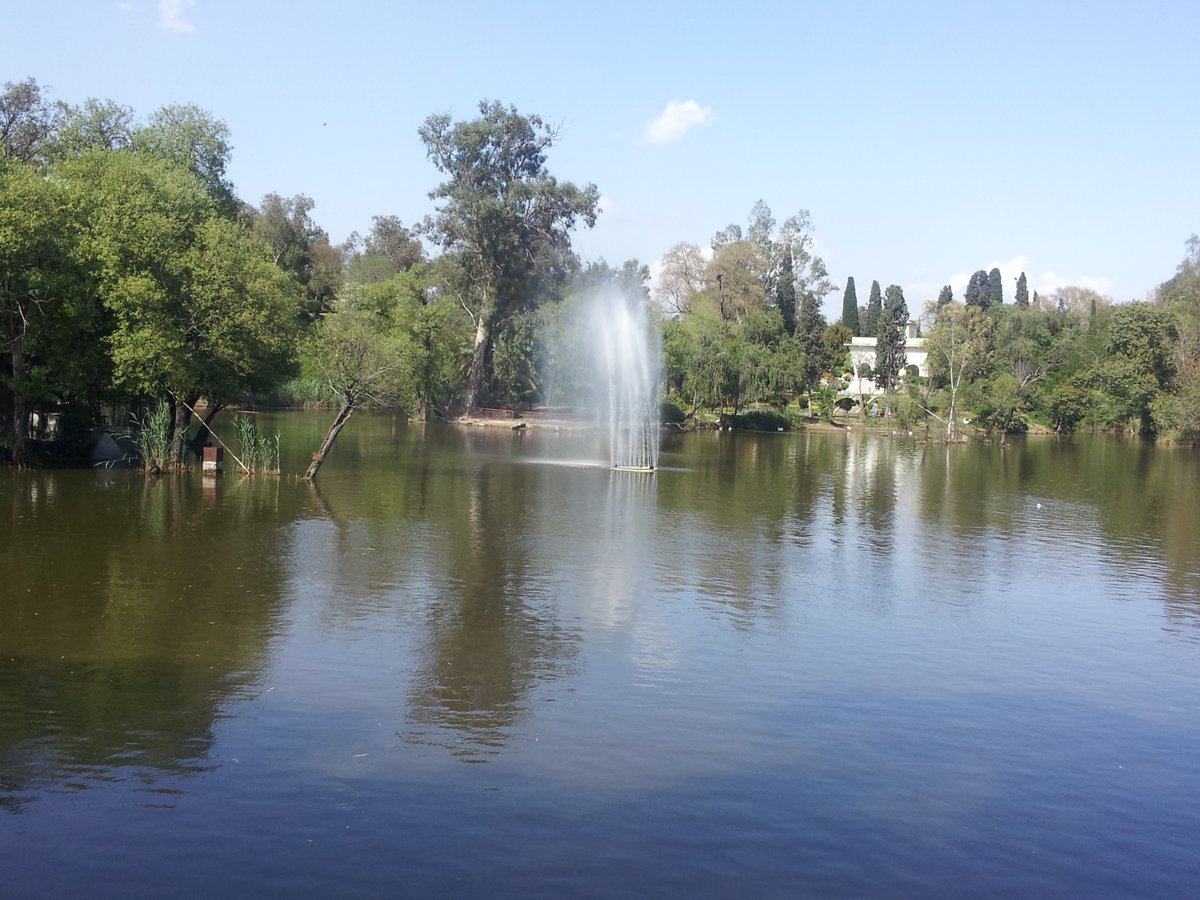
Al-Shifa sits on the GT Road beside Ayub National Park. Locally this stretch is often called Jhelum Road, which confuses a lot of first-time visitors searching for the address. LEORK Hotels is on the same road near Defence Chowk.
Parking: the hotel has free private, secure parking. Families who have driven in from out of town usually leave the car at the hotel and take a short ride to the hospital gate instead of hunting for a space there.
Every hospital and surgeon works a little differently, so treat this as a general picture and follow your own doctor’s instructions.
Before surgery. There is usually a consultation and tests first, often on a separate day. Dilating drops blur your vision for several hours, so even a check-up day needs an attendant or a car.
Surgery day. Cataract surgery, the most common procedure, is normally done under eye drops or a local anaesthetic injection. Patients rest for a short while afterwards and go home the same day, often with a shield over the eye. Expect to spend most of the day at the hospital once you count registration and waiting.
The next few days. Many surgeons ask to see you the following day, so ask yours before booking your trip home. The standard advice after cataract surgery, from the NHS and the American Academy of Ophthalmology, is:
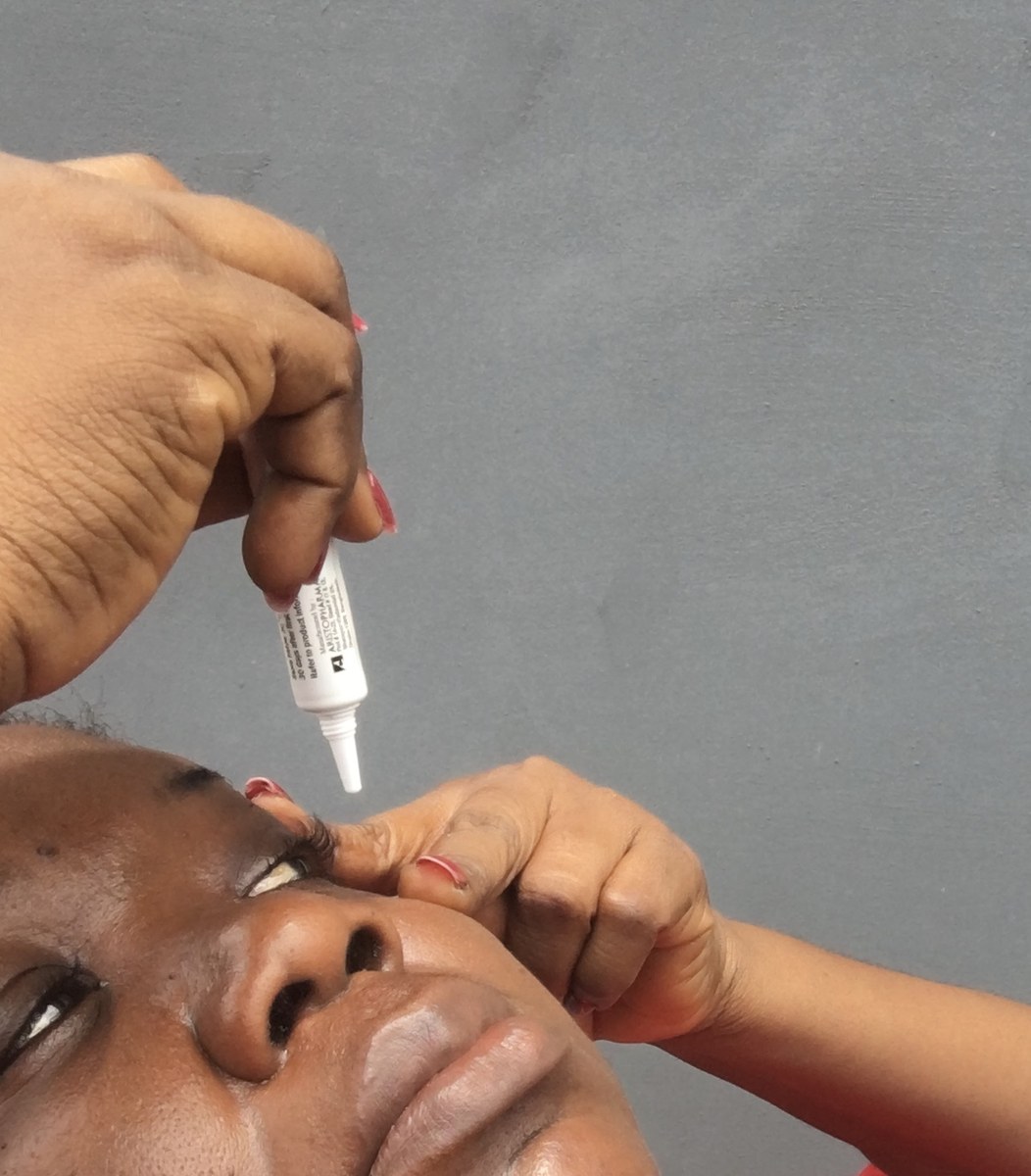
For families travelling from far away, that usually means planning two to four nights in Rawalpindi rather than one, with the return journey after the first follow-up.
A recovering eye patient needs rest, low light at night, and as little moving around as possible. A few things help:
Separate beds. The Twin Room gives the patient and the attendant a bed each, so the patient sleeps properly while the attendant gets up for medication times or phone calls. If a couple prefers one bed, the King Room is quieter and more spacious.
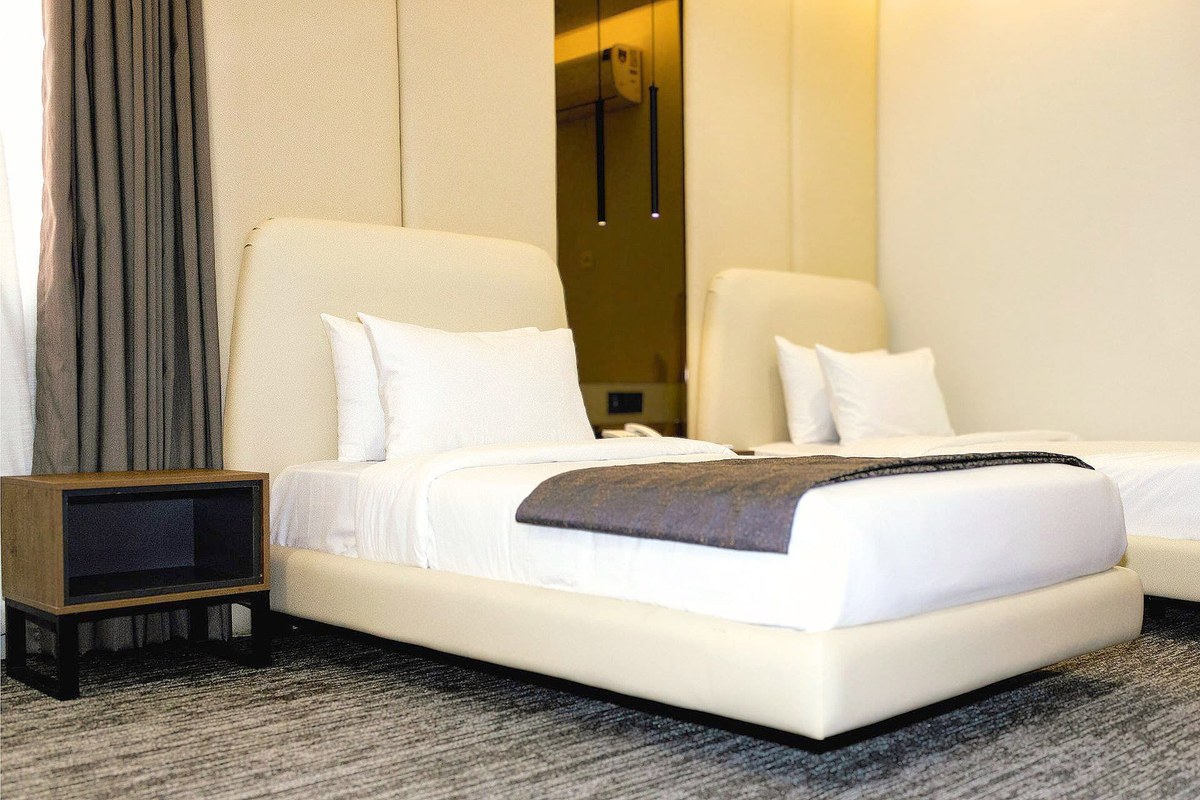
Food without going out. For the first day or two, the patient should not be walking around markets. Breakfast is included at LEORK, and for other meals the food delivery apps reach the hotel, so nobody has to leave the patient to go looking for dinner. An attendant is on call around the clock if you need anything brought up.
A front desk that is always open. Families often arrive late the night before an early appointment, or come back from the hospital at odd hours. Reception and security run 24/7, and you can send arrival details in advance on WhatsApp.
A place to sit that is not the bed. Attendants spend hours waiting, at the hospital and at the hotel. Rooms with a sofa or chair by the window make a long afternoon much easier.
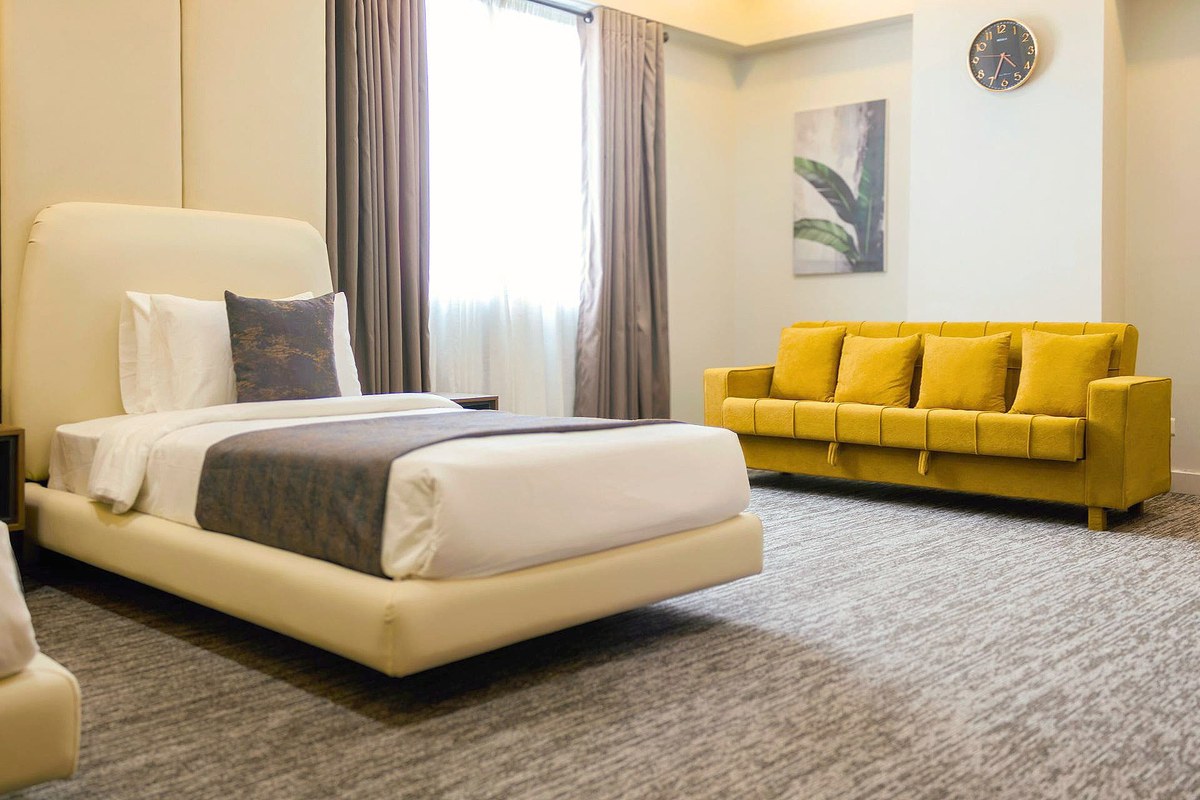
Wi-Fi that keeps working. The hotel has fiber Wi-Fi on backup power, which helps when the patient wants to listen to something with their eyes closed, or relatives back home want video updates.
Some families manage appointments at more than one hospital, especially elderly patients with several conditions. Fauji Foundation Hospital is 1.1 km from LEORK Hotels, so the same base works for both. Our Fauji Foundation Hospital guide covers that side, and the where to stay in Rawalpindi guide explains the rest of the city if you are comparing areas.
Al-Shifa is one of the best eye hospitals in the country, and getting treated there is worth the journey. Plan on a few nights rather than one, keep the patient off the roads and out of the markets for a couple of days, and stay close enough that the next-morning check-up is a five-minute ride.
Coming for treatment? Book your room or WhatsApp your appointment dates to +92 333 9588862 and we will help you plan the nights.


